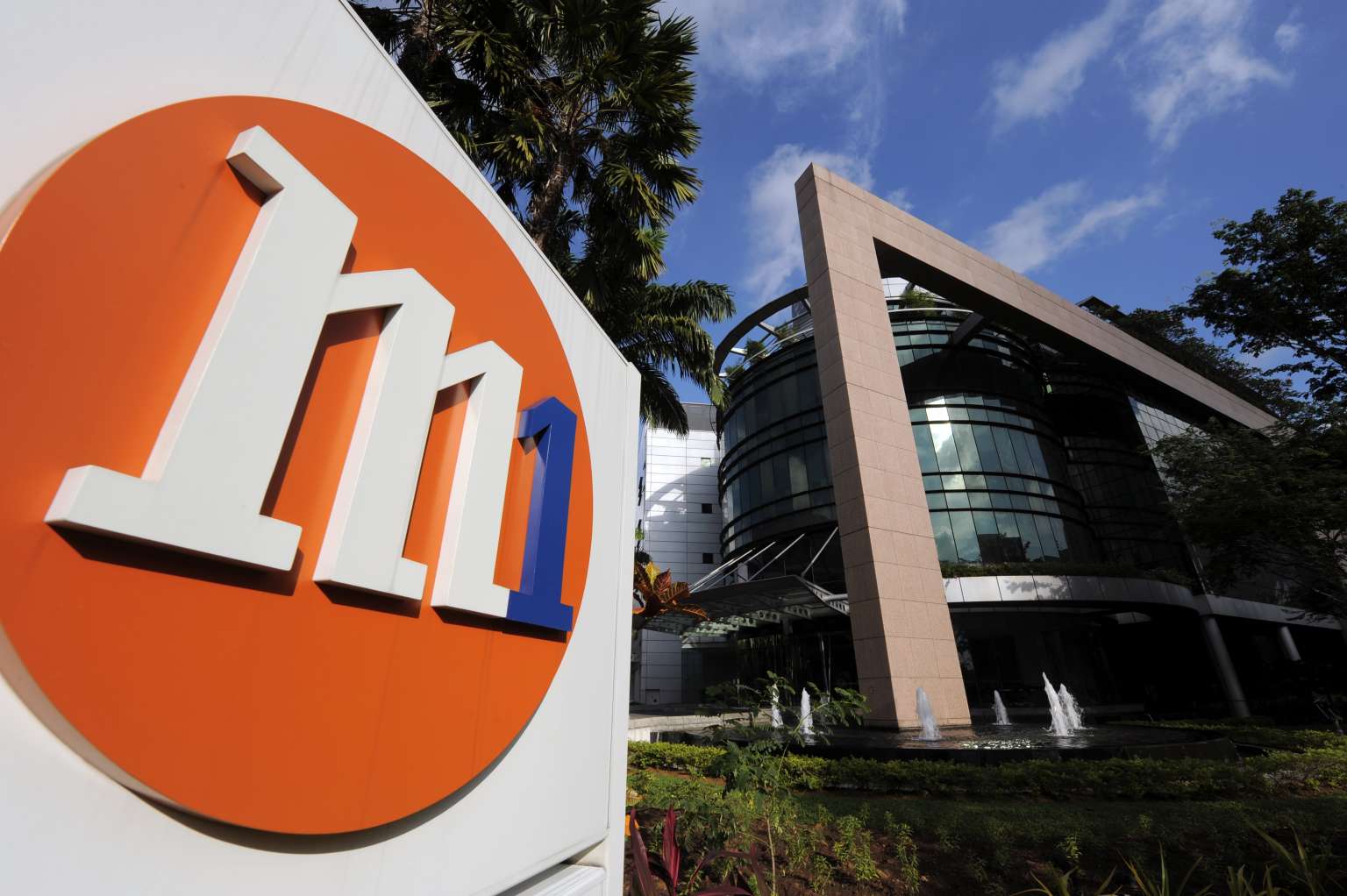
A mobile plan in Singapore can still feel improbably cheap: large data buckets, low monthly fees, no-contract SIM-only plans and roaming bundles that would have looked aggressive only a few years ago. That is good news for consumers. It is a harder deal for the companies that must keep radio networks, the fibre links behind them, cybersecurity controls and 5G investment running in a city-state where nearly everyone already has a phone.
The failed sale of M1's telecommunications business to Simba Telecom has returned Singapore's telecom industry to the condition it was trying to escape: crowded, price-sensitive and short on easy exits. When Keppel announced the transaction in August 2025, CNA reported the business was valued at S$1.43 billion, with S$1 billion in cash going to Keppel for its 83.9 percent stake in M1. The industrial pitch was direct: combine two challengers, create scale, and leave Keppel with the ICT, data centre and subsea cable businesses it wanted to keep.
That pitch broke against the realities of telecom regulation. The merger review was never just about whether consumers would still have enough choice. It touched spectrum, infrastructure resilience, cybersecurity and public interest - the categories that make telecom different from ordinary retail. The collapse leaves the same four-network map in place: Singtel, StarHub, M1 and Simba, surrounded by virtual operators and sub-brands still hunting for switchers.
The Deal Was a Scale Argument
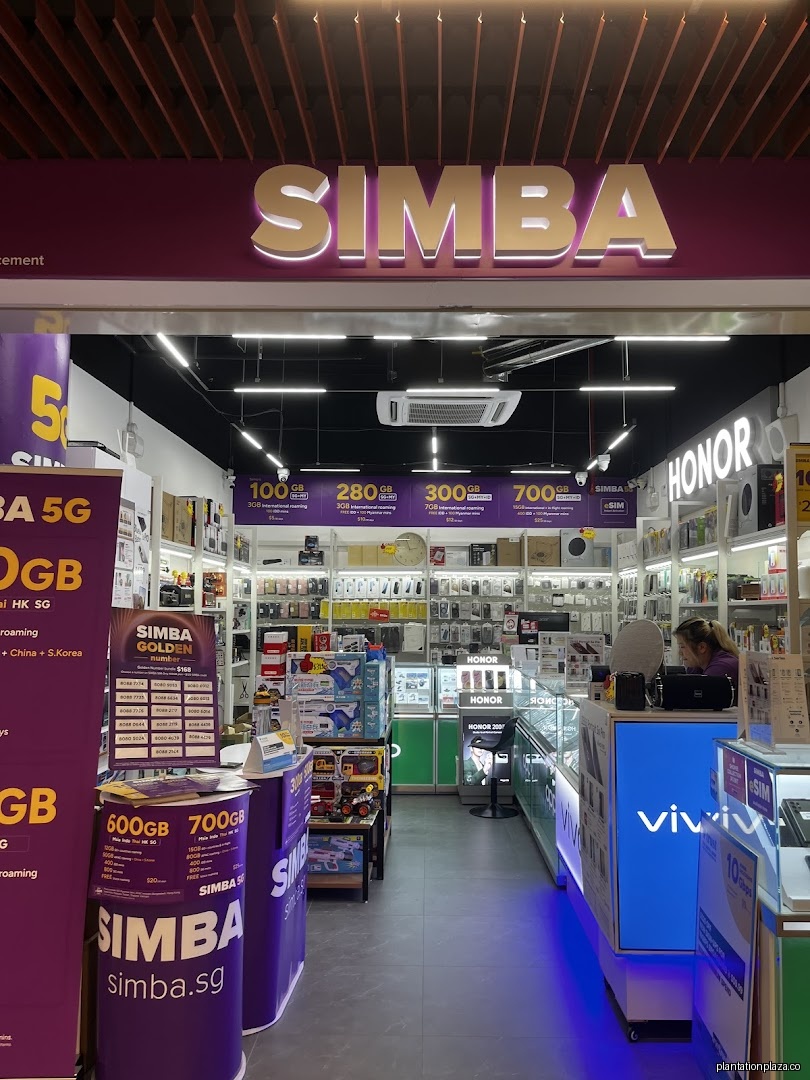
The proposed Simba-M1 combination was built on a familiar telecom thesis: networks are expensive, spectrum is scarce, customer growth is limited, and smaller operators need scale if they are to keep investing without relying only on price cuts. Simba, owned by Australia-listed Tuas Limited, had entered Singapore as the low-cost insurgent after TPG won the fourth mobile network licence in 2016 and later rebranded its Singapore service as Simba. M1 brought a long-established customer base, spectrum, fixed and mobile network assets, enterprise relationships and a national brand.
CNA's reporting on the August 2025 announcement showed why both sides could describe the transaction as more than a financial reshuffle. Simba would have expanded from a challenger into a much broader mobile and broadband platform. Keppel would have separated M1's telecom operations from the ICT businesses linked to data centres and subsea cables. Singapore's market, meanwhile, would have moved from four full mobile network operators back toward three.
The numbers also showed the imbalance the deal was trying to correct. The ASX filing cited in CNA's report put Simba's share at 1.5 percent of prepaid mobile, 14.4 percent of postpaid mobile and 0.9 percent of broadband, while M1 had 13.5 percent of prepaid mobile, 23.9 percent of postpaid mobile and 15 percent of broadband. Put together, the two could have looked less like two stretched challengers and more like a coherent third force against Singtel and StarHub.
But scale is not a substitute for regulatory confidence. In Singapore, a telecom merger has to survive scrutiny on market structure and on the operational integrity of national infrastructure. The sale agreement could make industrial sense and still fail if the regulator was not satisfied that the combined business would improve the sector without weakening resilience, competition or compliance.
Why the Regulator Mattered More Than the Spreadsheet
The regulatory problem became the centre of the story in May 2026, when IMDA's assessment of the proposed consolidation was suspended amid questions about Simba's use of radio frequency bands. Reporting in The Australian described a licence probe around whether Simba may have used unassigned spectrum, a serious issue because radio frequencies are not just a commercial input. They are controlled public resources, allocated under licence and tied to network reliability, interference management and public safety.
That made the transaction much harder to close before its deadline. The failed outcome did not mean Singapore's consolidation logic disappeared. It meant the next merger proposal will need a cleaner operating story before it can ask regulators and consumers to accept fewer network owners.
This distinction matters. Merger talk often focuses on share, pricing and cost savings. Telecom regulators have to look at the whole stack: spectrum holdings, network control, emergency service obligations, cybersecurity, consumer protection, wholesale access, resilience and whether a smaller number of operators can still deliver sustainable competition. The Simba-M1 episode moved those back-office questions into the centre of the market narrative.
A Saturated Market Still Has Four Network Owners
Singapore's telecom market has the odd arithmetic of a rich, compact city-state. It has high purchasing power, dense enterprise demand and world-class infrastructure. It also has very little room for subscriber growth. CNA's market commentary noted nearly 10 million mobile subscriptions at the end of 2024, equal to about 165 percent mobile penetration. In plain language: the easy customer additions are gone, and many consumers already hold more than one connection.
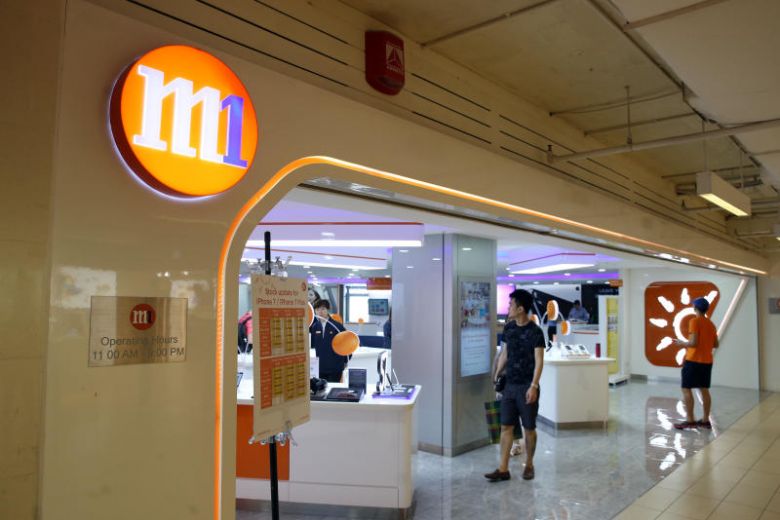
That is why the failed deal matters beyond the two companies. Singtel remains the scale leader. StarHub remains the other large established operator. M1 remains valuable — mobile, fixed and enterprise assets — but without the scale it wants. Simba remains the challenger whose low-cost model helped pressure the entire market. Around them sit mobile virtual network operators and digital brands competing on SIM-only value, roaming allowances and short-term promotions.
For consumers, this is a comfortable market. More operators usually mean more promotions, better switching leverage and sharper prices. For operators, the same structure can become a slow margin squeeze. A network does not become much cheaper to run just because a plan sells for less. Spectrum, radio access gear, fibre, customer support, security monitoring, billing systems, retail distribution and compliance still need capital and skilled teams.
The sector is therefore stuck with two truths at once. Singapore benefits from competition, but the economics of national telecom infrastructure favour scale. That tension is exactly why consolidation keeps returning even after one proposal fails.
M1 Remains Valuable, But Harder to Sell
The failed transaction does not make M1 less strategic. If anything, it shows why the asset was attractive. M1 carries network rights, customer relationships, enterprise contracts, retail recognition and a place in Singapore's regulatory architecture. Those are hard to recreate from scratch. A buyer would not simply be purchasing revenue; it would be buying a seat in the country's telecom system.
Keppel's problem is that this seat comes with obligations. The company had already signalled a desire to focus its connectivity segment around digital infrastructure, data centres, subsea cable exposure and asset-light operations. Selling M1's telecom operations would have simplified that story. With the sale gone, Keppel has to decide whether to hold the asset longer, prepare a revised divestment, or wait for market conditions to make a different buyer more credible.
The most obvious strategic question now points to StarHub. It already has a network relationship with M1 through Antina, their 5G network-sharing joint venture, which gives any future StarHub-M1 discussion an industrial logic beyond market share. But that path is not simple either. A combination involving two established incumbents would face its own questions about competition, wholesale access, consumer pricing and the independence of Singapore's telecom landscape.
Cheap Plans Are Not Free
The practical issue for households and small businesses is pricing. Singapore consumers have grown used to the idea that mobile data should be abundant and relatively cheap. Operators and virtual brands have trained the market to expect frequent plan changes, aggressive sign-up offers and low-friction switching. That is a hard expectation to reverse.
Yet a sector cannot fund every ambition through discounting. 5G standalone networks, enterprise security services, fibre upgrades, data centre interconnection, low-latency applications, customer identity protection and regulatory reporting all increase the baseline cost of being a serious operator. The more telecom networks are treated as critical infrastructure, the less plausible it becomes to run them as pure commodity pipes.
This is where the policy trade-off becomes uncomfortable. If regulators allow consolidation, they risk fewer consumer-facing competitors. If they block or delay consolidation indefinitely, they preserve choice but may leave operators with weaker incentives or capacity to invest. The right answer is unlikely to be ideological. It will depend on whether any proposed deal can show measurable consumer benefits, firm network investment commitments and safeguards against prices quietly creeping up.
The Next Merger Needs a Better Public Case
The lesson from the Simba-M1 collapse is not that Singapore telecom consolidation is dead. It is that the next proposal needs to arrive with fewer unresolved questions. A buyer will need to prove operational discipline before asking for market share. It will need to explain how spectrum will be managed, what happens to network resiliency, how cybersecurity obligations will be maintained and why customers should trust that fewer operators will not simply mean higher bills.
That is a higher bar than a spreadsheet of promised savings. It is also the only bar that matters in a market this small and strategically important. Singapore's telecom networks touch payments, transport, logistics, healthcare, government services, data centres and daily consumer life. A merger that reduces operator count has to be sold as a stronger infrastructure outcome, not only a cleaner capital markets story.
For now, the crowded market remains intact. Singtel and StarHub still have scale. M1 still has assets buyers may want. Simba still exerts price pressure. Consumers still enjoy choice. The industry still carries the cost. The failed merger did not end the consolidation story - it made clear that Singapore's next telecom deal will need to be as convincing to regulators as it is to bankers.
Sources and further reading
- Primary source Statistics on Telecom Services
- Primary source Keppel to unlock close to S$1.0b in cash from sale of M1's telco business to Simba
- Primary source IMDA to Suspend Assessment of Proposed Consolidation between M1 and Simba
- Keppel to sell M1's telco business to Simba for S$1.43 billion
- Commentary: Singapore's telco sector is back to a three-horse race
- Telco billionaire David Teoh faces ruin as Singapore licence probe sparks rout
- M1 headquarters image
- SIMBA SG at Plantation Plaza
- M1 store image
Related resources
Go deeper on this topic
Vendor directories
Ready to move
Research cluster
Start with the Singapore connectivity infrastructure pillar
This focused analysis sits under a broader, source-backed guide. Start there for the complete decision framework.
- Singapore Connectivity Infrastructure: Subsea Cables, Fibre, Satellites and Telecom OperatorsA procurement and architecture guide to Singapore's international, domestic and non-terrestrial connectivity layers.
Directory next step
Find Singapore providers for this work
Compare Singapore providers for mobile, broadband, and enterprise connectivity.
Find telecom providers →Reader notes
Questions, corrections, and field notes
Curated notes from verified readers. Submissions are reviewed before publication.
Loading reader notes...


